
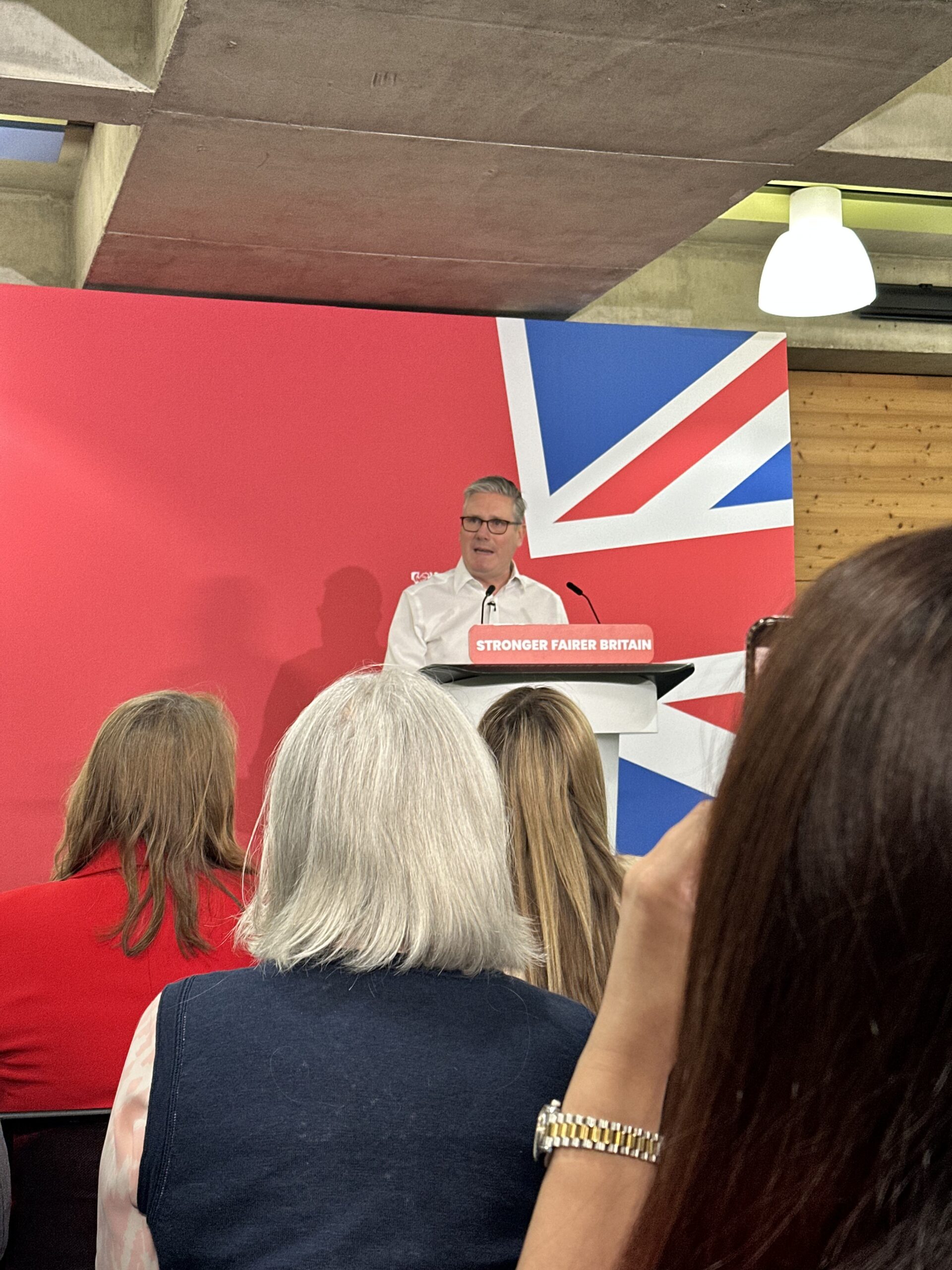

Yesterday morning I joined Labour activists, councillors, MPs, and the lobby to hear the Prime Minister attempt to save his premiership. One standout moment was Jade Botterill, the MP who introduced Keir Starmer before he took to the stage. Her belief in the Prime Minister – and authentic Labour values – rang true and clear across the room. As a whip, it is a shame we do not hear from her more often.
The speech itself was good. It was one of Keir Starmer’s strongest performances as either Prime Minister or candidate – more emotional, more politically self-aware, and more willing to draw dividing lines with Reform and the Greens than we have seen in some time. It was a return to the messages that won him the leadership of the Labour Party. He spoke with conviction about class, aspiration, community, and fairness, and for an audience looking for reassurance and hope after bruising election results, it landed.
MPs are eyeing up their own majorities and worrying their seats will fall to the Greens, Reform, Lib Dems and Conservatives. So, outside the hall, away from the emotion and rising applause, the reaction from many Labour MPs and members was more sceptical.
For all his form in tone and delivery, the substance felt threadbare. Of the three major pledges in the speech, one has effectively already happened, one has been a cross-party ambition for years, and one remains little more than an aspiration without detail.
The nationalisation of British Steel may be politically popular, but the Government has already intervened decisively to save Scunthorpe. The shift announced today feels more like the completion of an existing process than a genuinely new direction.
Likewise, elevating technical education and apprenticeships to equal status with university routes has been an ambition shared by governments of every stripe for at least a decade. Ministers from Michael Gove onwards have promised to end the hierarchy between academic and vocational education. Starmer’s rhetoric was strong, but the unanswered question remains: how will Labour succeed where successive governments have struggled?
And, while the commitment to rebuilding relations with Europe drew some of the loudest applause, the substance remains vague. Closer integration with the EU is politically meaningful only if ministers are willing to spell out what trade-offs and institutional arrangements that actually entails. Beyond a youth mobility scheme and warmer language about partnership, there was little clarity about what “putting Britain at the heart of Europe” means in practice.
The speech may well have been enough to save his leadership for now, but it also reminded many in the room of what has been missing. Hope, ambition, and a desire for real change were writ large across Starmer’s leadership campaign but often absent
from government. The mood today was healthier, and the aspiration welcome, but this is not the first reset speech this government has offered.
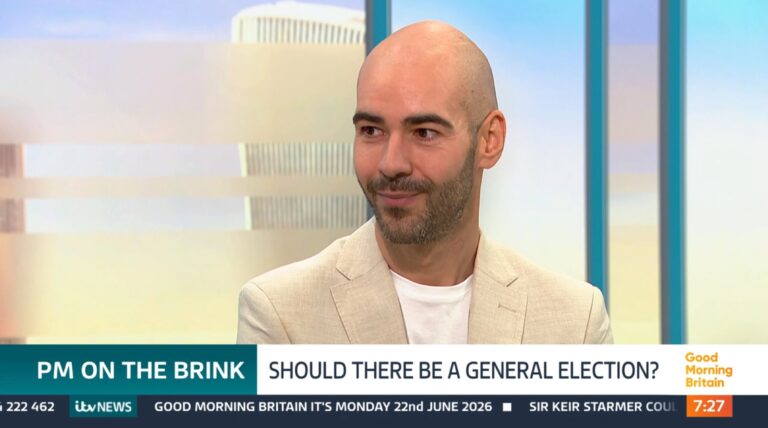
The Labour Party is hurtling inexorably towards a serious leadership challenge. While initially many of the names calling for Starmer to go could have been predicted long before the elections, throughout the afternoon and evening the tempo rose. The steady trickle of those on the first rung of ministerial ladder adding to the calls for him to go, followed by briefings about senior ministers losing faith has made this terminal.
Labour cannot afford more elections like this, and MPs have lost patience with incrementalism and the hope that long-term eventual change will deliver victory. What remains to be seen is whether this latest reboot will buy the Prime Minister a little more time, or whether his MPs will change him before the electorate have the chance.