

Trust takes years to build and seconds to lose. In today’s media landscape, that’s truer than ever.
You can spend years learning how to write a killer press release, land a headline-grabbing story, or reach your audience with actionable insights – and I’ve done all that, plus nine months studying how it all comes together to create change for a master’s degree in the subject.
But without trust, none of that matters.
Right now, the media industry is facing a crisis of trust. In the UK, only 35% of people say they trust most news media most of the time, while the rise of AI and misinformation is leaving audiences questioning the veracity of every piece of information they see.
Journalists are feeling this pressure too: a reporter recently told me that she’s increasingly worried that the “experts” pitching her stories may not even be real people. And she’s right to be concerned – The Telegraph was recently censured for publishing a story about an entirely fabricated family from an untrustworthy source, the Press Gazette has published a ‘PR Hall of Shame’ of brands attached to fake AI experts, and Reach PLC, the publisher behind The Mirror, is compiling a ‘whitelist’ of trusted agencies to combat the rise of fake stories.
But within those dismal examples is an opportunity. As misinformation grows, journalists are relying more heavily on PR professionals and sources they know they can trust. Building that credibility opens the door not just to landing one big story but to becoming a dependable voice that media turn to repeatedly for commentary and story ideas.
So how do we actually make that happen?
Pitch strategically, not constantly
As newsroom budgets have tightened and the media landscape has become more fragmented, journalists are being asked to do more with less, managing tighter deadlines and multi-platform demands with fewer resources.
That’s why PRs are still the journalists’ top source for story ideas.
But this is a double-edged sword: journalists are quick to block a PR who spams them with irrelevant, inaccurate, or unsourced content. The key here is comprehensively understanding a journalist’s beat and offering genuinely useful, personalised information and content. Consistent, thoughtful outreach builds recognition and trust over time – so when the time comes for a big-hitter story, they’ll recognise your name and your credibility.
Be wary of AI overuse
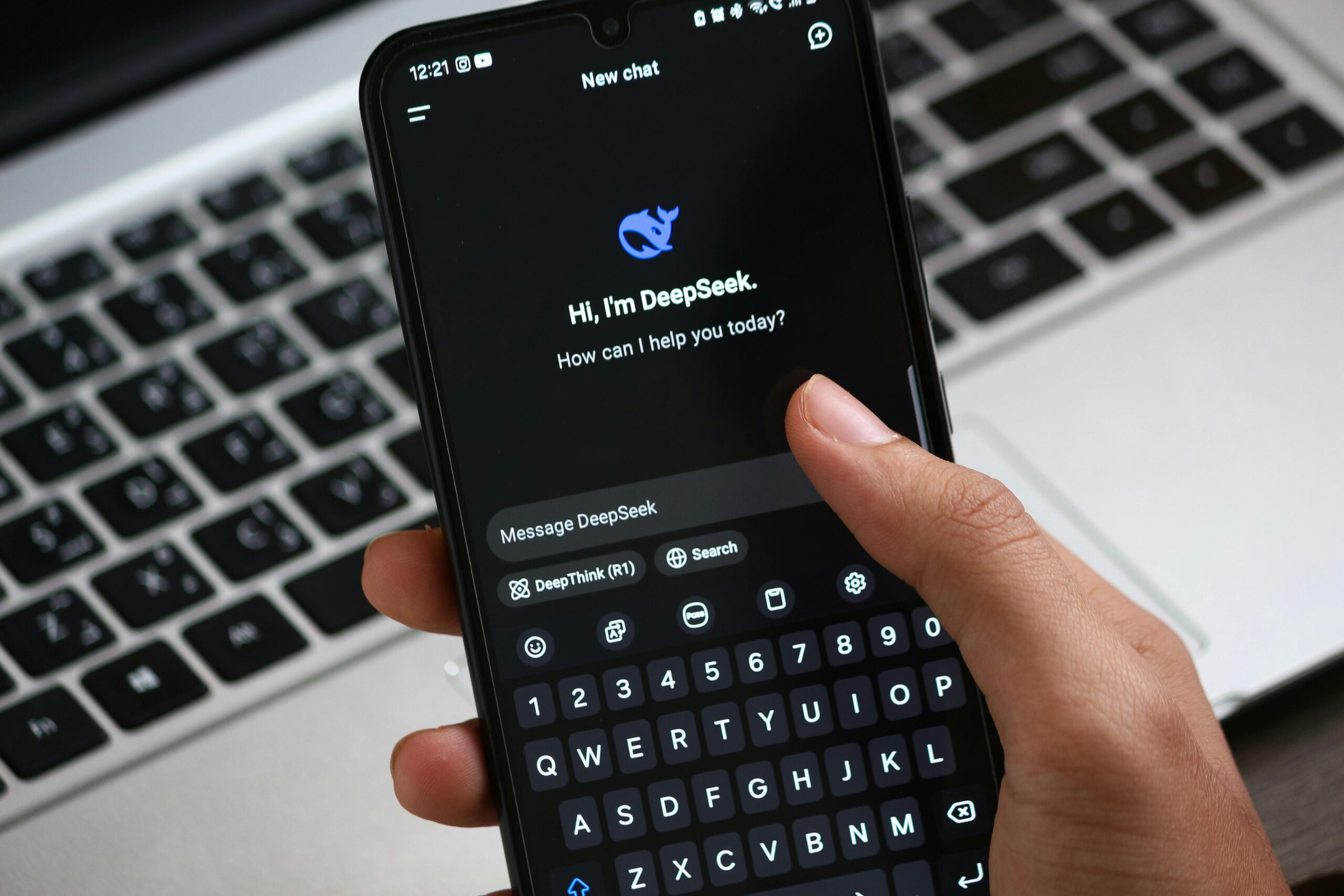
We’re all pressed for time, and there’s a temptation to just ask ChatGPT to write up a 400-word press release – but overusing AI can damage credibility. I’ve had so many journalists tell me they can spot AI-written press releases or commentary from a mile away, and three-quarters are opposed to receiving AI pitches, with some rejecting AI outright.
Especially as journalists’ inboxes are spammed with irrelevant content, authenticity still matters in communications. Commentary needs personality, expertise, and a human voice if it’s going to resonate. So if your expert source sounds like a robot, you’re not making it into the nationals.
Be visible and credible
In an era of fake experts, journalists need to know that their sources are genuine. That makes relationship-building ever more important: networking events, coffee chats, and video calls help reassure a journalist that they’re talking to a real person, with real expertise.
The same applies to clients. The first thing a journalist does when you pitch a source for comment is a Google their name, and if that person has no digital footprint, it raises red flags. Thought leadership – whether through LinkedIn, podcasts, or speaking opportunities – helps reinforce credibility.
Know what journalists need … before they do
With journalists stretched so thin, building trust often comes down to making journalists’ lives easier.
PR professionals need to show a keen understanding of the barriers journalists’ face. This means responding quickly to emails (even if it’s just to say “I’m checking on this and will get back to you by lunchtime!); offering complete digital packages of support through case studies, commentary, and visuals; or even pointing a journalist in a new direction when a request isn’t the right fit for your client.
Establishing goodwill helps turn you into a trusted partner in their reporting – but this all requires a great deal of patience. Strong media relationships are built over years, not overnight. Over time, it’s consistent, reliable, and friendly support that forms the foundation for a trusted PR relationship – and if you build this groundwork, you’ll be in the perfect position to capitalise on an opportunity when the stars align.