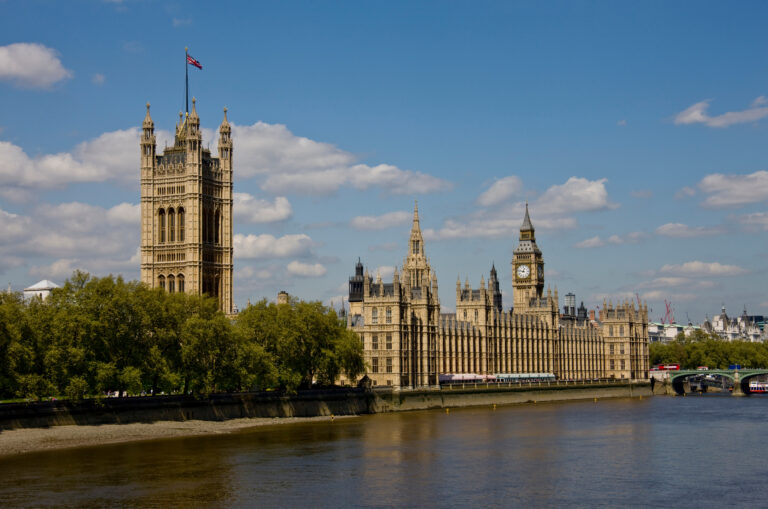

Approximately 550 backbenchers sit in the House of Commons, all jostling for share of mind and voice in what is already a crowded stage. In an environment in which influence is everything, how do backbenchers cut through the noise, shape the political agenda and ensure the issues that matter to them receive parliamentary attention?
Established in 2010, the Backbench Business Committee remains a powerful mechanism for backbenchers to secure debates and raise issues within the house. Before its creation, backbenchers would struggle to secure debates in the main chamber, having to rely predominantly on adjournment debates which were often poorly attended. The committee provided backbenchers with a solid and mostly reliable route for further discussion on issues which mattered to them and their constituents. Perhaps most famously, a backbench business debate in 2011 on the UK’s membership of the European Union kickstarted the long road to Brexit which would happen five years later.
While few debates have had consequences on that scale, the Committee has consistently demonstrated its ability to elevate issues that might otherwise struggle to secure parliamentary time. Over the past 16 years, debates have helped sustain political pressure on matters ranging from support for victims of the Post Office Horizon scandal to the infected blood inquiry, giving MPs an opportunity to build cross-party consensus, extract commitments from ministers and keep important issues firmly on the parliamentary agenda.
The Committee’s continued relevance is a reminder that, despite the Government controlling the vast majority of parliamentary time, backbenchers are far from powerless. Used effectively, the Backbench Business Committee gives MPs the opportunity to influence the conversation, hold ministers to account and champion the issues that matter most to them and their constituents. With backbenchers making up the overwhelming majority of MPs, the committee remains an invaluable tool in ensuring backbenchers are proactive voices, not just reactive votes.