
John Healey has delivered his first budget as Chancellor and the first of Andy Burnham’s government. It arrived at a crucial time for Labour. Our latest Road to 2029 polling showed Labour leading in the East of England for the first time this year on 24%, up from 21% in July. The Conservatives were on 22% and Reform had fallen to third on 20%.
When we published those figures, we said the budget would be a real test of whether the Burnham bounce can last. Voters across the East of England are giving the government a second hearing, but the region’s businesses want to see that goodwill translate into lower costs and support for growth. With relatively few new taxes and a strong emphasis on handing power to local leaders, here are five takeaways for the East of England.
1. More money for devolution
One of the biggest announcements in the Budget was the Fiscal Devolution Roadmap. The map sets out an ambition for 100 percent of business rates to be retained locally “for the first time” by the end of the decade. The Chancellor outlined plans for 20 percent of business rates revenues to go directly to mayors from next year and from 2028 a share of income tax will go to mayors too. This is expected to give mayors more power to invest locally such as in transport, infrastructure and skills and drive business growth.
Cambridgeshire and Peterborough, which already has a mayor, is best placed to benefit first. Norfolk and Suffolk and Greater Essex were named at the front of the government’s devolution plans, but the first mayoral elections are not until May 2028. This does, however, give businesses an opportunity to put forward their recommendations for driving growth to mayoral candidates campaigning ahead of the elections.
2. Relief for the high street
There was welcome news for high street businesses. Thousands more small shops, cafés and pubs will not pay business rates from next April. Business rates for larger retail, hospitality and leisure businesses will also be frozen in real terms for two years.
For our region’s market towns and high streets which need investment, such as close to home in Ipswich, this brings some relief after a difficult few years of rising costs. There will likely be calls for the government to go further, but it gives independent businesses more ‘breathing space’, in the words of the chancellor, to invest and hire.
3. Help on energy costs
With the conflict in the Middle East pushing up prices, energy was always going to be an important focus. Households in council tax bands A to D will receive a £100 payment towards their energy bills from January 2027, and the government has asked Ofgem to abolish gas standing charges by the end of 2027. Both will be welcomed, but the East of England has a lot of rural areas not connected to the mains gas grid who will miss out on support.
For businesses, energy intensive manufacturers will get a discount on their electricity, but many firms in the region fall outside that scheme and won’t see the change to their bills. The government also restated its commitment to Sizewell C, which will play a key part in the energy transition and bring more jobs to Suffolk.
4. Small steps for businesses
A new tax relief for founders and more generous employee share schemes are aimed at keeping high growth companies in the UK. This will be welcomed by start up firms in the region, particularly in the technology sector, where competition is high.
For the many small and medium sized firms that make up most of the East of England economy though, the picture is mixed. The previous rise in employer National Insurance has not been revisited and many businesses won’t benefit from reductions in their energy bills. The absence of major new taxes will be welcomed, but many will feel the pressure on their costs has not eased as much as they wanted.
5. Skills and getting young people into work
Skills shortages have been high in the East of England for years, particularly in construction, engineering and manufacturing. The Budget focussed on supporting young people entering the workforce, reiterating the government’s commitment to more funding for local apprenticeship services and a requirement for apprentices to make up part of the workforce on large government infrastructure projects.
The second measure is particularly important for the region. With major energy and infrastructure projects planned across the East, it gives colleges and training providers a stronger case to invest in the local workers these projects will need. However, with the rise in the National Living Wage, smaller employers may also find the cost of taking on and training young people is still a barrier. The government’s Milburn review on youth employment, expected in November 2026 will set out the government’s wider plan to tackle youth unemployment and improve opportunities to develop skills.
What happens next
The government wants growth to be driven more locally and much of what this Budget offers the East of England depends on how the region approaches devolution. This means agreeing the devolution deals and building strong business cases for the transport and infrastructure projects the region needs.
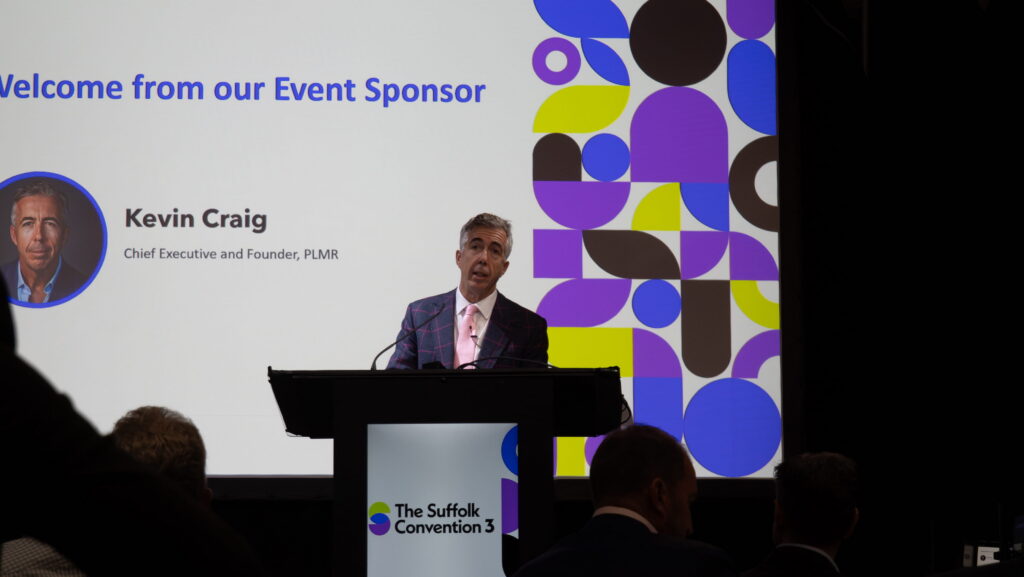
As we discussed at the recent Suffolk Convention, businesses and political leaders across all parties also need to work together to ensure the region secures the investments needed in next year’s spending review.
The impact of this budget on Labour’s approval rating will become clearer in our next Road to 2029 polling in January. For now, for all the announcements, businesses will need to start feeling that things are changing for them day to day.
For more insights you can reach out to our East of England team at eastofengland@plmr.co.uk.