
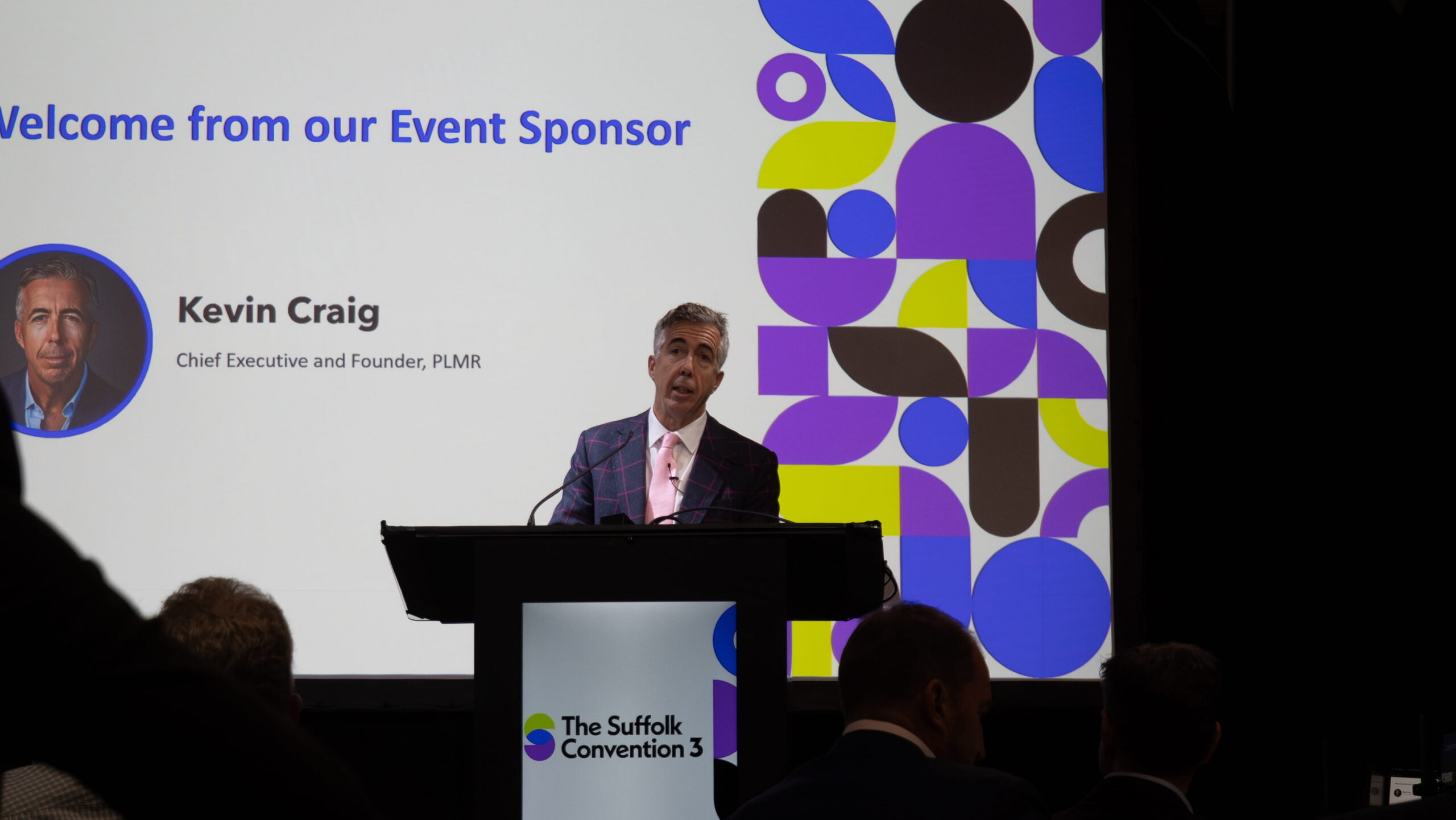
PLMR recently sponsored the Suffolk Convention at BT’s Adastral Park, organised by the Suffolk Chamber of Commerce. More than 100 business leaders joined MPs and mayoral candidates from Labour, the Conservatives, the Liberal Democrats, the Greens and Reform to discuss how to work together to bring growth and opportunities to Suffolk.
This was the perfect fit for PLMR with an East of England team, based in Ipswich, which has worked with organisations across Suffolk for nearly 30 years. PLMR founder and CEO Kevin Craig was on a panel to share his insights with Lord Lansley, Kate Shoesmith (the British Chambers of Commerce) and Kieran Bergholcs (the Rural Economy Research Group). The session was chaired by the BBC’s Andrew Sinclair with a focus on the government’s record at the halfway point of this Parliament and what comes next.
Here are three things we learnt from the discussions.
1. A shared commitment to Suffolk
Whilst there were plenty of different views in the room from all the major political parties, there was also a lot of consensus. There was a pragmatic view that, regardless of who is in government, everyone wants to see the UK and Suffolk succeed.
The speakers agreed that Suffolk has every reason to be optimistic. The county is at the centre of the UK’s energy transition, with construction under way at Sizewell C and some of the country’s largest offshore wind farms off the East Anglian coast. Felixstowe is Britain’s busiest container port, and Adastral Park is home to BT’s innovative research labs.
Suffolk also has a lot to offer beyond business. Ipswich Town secured promotion back to the Premier League, and the county’s tourism industry brings in visitors from across the country.
There was a shared view on how to build on this too. Suffolk makes its strongest case for investment when MPs, councils and businesses set aside political differences and work together in the shared interests of the county.
2. Backing businesses to drive growth
The party in government naturally faces the most scrutiny and there were questions about the impact of the rise in employer national insurance contributions for businesses. At the same time though, there was recognition that Burnham and his team understand the importance of businesses for creating jobs and economic growth.
There are reasons to be positive. The UK was the fastest growing economy in the G7 in the first half of 2026. At the same time though, for Suffolk firms the pressures are familiar. Businesses face higher energy prices and are still struggling to recruit people with the right skills.
The upcoming Budget will be a major test for the Burnham government in getting the balance right of making investments without passing on those costs to businesses.
3. Devolution is the real opportunity
Devolution for Norfolk and Suffolk was the theme that kept returning throughout the morning. The deal is set to create a mayoral combined county authority, backed by around £1 billion of investment over 30 years. For a county that has talked about the same transport, infrastructure and skills problems for years, that is a real chance to make progress.
We now have a Prime Minister who spent nine years as Mayor of Greater Manchester and put devolution at the heart of his Labour Conference speech, with plans to give councils and mayors more power over housing, health and education.
Whilst devolution is coming, there are still some hurdles to jump over. The first mayoral election has already moved from May 2026 to May 2028. The government has also launched a review of its planned local government reorganisation.
There was widespread agreement that both Suffolk and Norfolk will need to work together if the benefits of devolution are to be realised.
Looking ahead to 2027
The mayoral candidates are already campaigning, and the next 18 months are when their priorities will take shape. Organisations that want a say in how transport money is spent, where skills funding goes or which sites come forward for housing, should be making that case now, rather than waiting for the mayor to take office.
Having the evidence ready and building relationships with candidates from every party will be key for Suffolk businesses who want to engage in devolution.
For more information about how PLMR can help, contact eastofengland@plmr.co.uk.